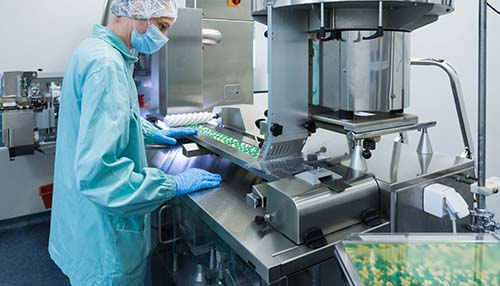
Picking the wrong partner can cost a pharma brand far more than a delayed launch. It can mean batch rejections, regulatory notices and lost doctor trust. A reliable third party pharma manufacturing company makes your products, tests them and keeps the paperwork in order, while you focus on sales, branding and distribution. The catch is that every company says it is compliant. Only a structured check shows whether that is true.

This guide is for B2B buyers, startups, marketers and procurement teams. It explains what to verify, which documents to ask for and which warning signs should make you walk away. Use it as a working checklist before you sign any agreement.
What Is a Third Party Pharma Manufacturing Company?
A third party pharma manufacturing company is a licensed manufacturer that produces medicines on behalf of another brand or marketer. The brand owner supplies the product requirement, name and packaging design. The manufacturer handles formulation, production, quality control, packing and batch documentation.
You will see this model described under several names:
- Contract manufacturing: The manufacturer produces to your specification under a written agreement.
- Loan licence manufacturing: You use another party’s facility under a licence arrangement permitted by the regulator.
- Third party pharma manufacturing services: A broader term covering production, packing and sometimes formulation support.
The model suits startups that cannot afford a plant, as well as established companies that want extra capacity. It is also common among marketers who run a branded range through distributors.
Why the Choice of Manufacturing Partner Matters
Your brand name is on the pack, but the manufacturer controls what goes inside it. If a batch fails a test or a licence is found invalid, the consequences reach you first. Doctors, chemists and distributors will not separate your brand from the factory that made it.
A weak partner usually shows up in three ways:
- Inconsistent quality between batches
- Missed delivery dates and unexplained delays
- Documents that are incomplete, outdated or hard to get
The ten checks below are designed to catch these problems early, before money is spent.
10 Quality and Compliance Checks Before You Choose
1. Verify Licences and Regulatory Standing
Start with the basics. Ask for a copy of the valid manufacturing licence issued by the State Licensing Authority and check that it covers the dosage forms you need. A company licensed for tablets and capsules may not be approved for injectables, liquids or ointments.
Then confirm:
- The licence is current and not close to expiry
- The product category (for example, general, beta-lactam or hormonal) is permitted
- The company has no pending regulatory action
Do not rely on a scanned certificate alone. Cross-check licence details with the issuing authority wherever the process allows it.
2. Confirm GMP Compliance
Good Manufacturing Practice is the foundation of safe production. In India, manufacturers must follow Schedule M of the Drugs and Cosmetics Rules, which was revised to align more closely with international GMP expectations. Ask how the plant has implemented the revised requirements.
Many reliable companies also hold WHO-GMP certification, which is useful if you plan to supply institutions or export. Treat a certificate as a starting point. Ask when it was issued, which site and product lines it covers and whether it is still valid.
3. Inspect the Facility and Equipment
A site visit tells you more than any brochure. If you cannot travel, request a detailed virtual walkthrough and facility photographs. Look at the following:
- Separate zones for raw materials, production, packing and finished goods
- Air handling, pest control and cleaning routines
- Equipment condition, calibration records and preventive maintenance logs
- Controls to prevent cross-contamination between products
Clean, organised plants with visible logbooks usually reflect disciplined management. Dust, clutter or missing records are warning signs.
4. Check the Quality Control Laboratory
The quality control lab decides whether a batch is released. Ask whether testing is done in-house, by an approved external lab, or both. Find out if the lab uses calibrated instruments, validated test methods and trained analysts.
Request a sample certificate of analysis. It should list the tests performed, the specification, the observed result and the analyst’s and approver’s sign-off. Reputable companies also keep retention samples of every batch for later reference.
5. Review Raw Material Sourcing
Finished-product quality starts with input quality. Ask how the company qualifies its suppliers of active ingredients and excipients. A sound process includes:
- An approved vendor list with periodic re-evaluation
- Testing of incoming materials before use
- Traceability from raw material lot to finished batch
If the company cannot explain where its key ingredients come from, that is a serious gap.
6. Examine Documentation and Data Integrity
Pharma quality depends on records. Batch manufacturing records, batch packing records, deviation reports and change controls should be complete, legible and signed on time. Data should be attributable, original and accurate, which is the principle behind data integrity expectations such as ALCOA+.
Ask to see redacted examples. Blank fields, overwritten entries or records filled in after the fact suggest weak control.
7. Ask About Stability Studies and Process Validation
A product must stay safe and effective throughout its shelf life. Ask whether the manufacturer runs stability studies in line with ICH guidelines and whether its processes are validated for consistent output.
For a new product, find out who owns the stability data and how it is shared with you. You will need it to support shelf-life claims and to answer questions from regulators or buyers.
8. Assess Formulation and R&D Capability
Not every partner can develop a formula from scratch. Some only copy established formulations. Decide what you need, then ask direct questions:
- Can the team develop or modify formulations on request?
- Do the strengths and combinations follow accepted clinical practice?
- How are product complaints and technical queries handled?
Strong Pharmaceutical Contract Manufacturing services include technical support, not just machine capacity.
9. Review Packaging, Labelling and Batch Traceability
Labelling errors are among the most common and avoidable compliance failures. Check how the company controls printed material, how artwork changes are approved and how mix-ups are prevented on packing lines.
Every pack should carry the correct batch number, manufacturing and expiry dates, and statutory declarations. The manufacturer should be able to trace any batch from raw materials to dispatch within a short time. Ask about its recall procedure and how often it is tested.
10. Study Contract Terms, Capacity and Communication
Quality is not only about the plant. The agreement decides who is responsible when something goes wrong. A good contract includes:
- A written quality agreement that defines responsibilities on both sides
- Clear minimum order quantities, pricing, lead times and payment terms
- Confidentiality of your formulas, brand names and artwork
- Rules for batch rejection, returns and replacement
- Capacity to handle your growth without delays
Also pay attention to how the company communicates during the enquiry stage. Slow, vague or evasive replies rarely improve after the contract is signed.
Quick Checklist: Third Party Pharma Manufacturing Company Evaluation
Use this summary to compare shortlisted companies side by side. Each point tells you what to ask for and what a good answer looks like.
On licences, ask for a copy of the manufacturing licence. A good sign is a valid licence that covers your dosage form. On GMP, request Schedule M or WHO-GMP proof. It should be current and specific to the site that will make your product.
For the facility, arrange a visit or a virtual tour. You want to see clean, zoned and organised areas. For the quality control lab, ask for a sample certificate of analysis and an instrument list. Look for calibrated equipment and signed reports.
On raw materials, ask for the approved vendor list and the incoming testing process. Approved suppliers and clear traceability are the pass signals. For documents, request redacted batch records. They should be complete and filled in on time.
For stability, ask for the study protocol and data, and check that they follow ICH guidelines. On R&D, find out what formulation support is on offer and whether a technical team is available to help you. For packing, review the labelling controls and confirm that every batch can be traced.
Finally, on the contract, ask for a draft quality agreement. It should state clearly who is responsible for what. If a company meets all ten points, it deserves a closer look. If it fails more than one or two, move on.
Red Flags That Should Make You Pause
Some warning signs appear early. Be cautious if a company:
- Refuses a visit or a document review
- Offers prices far below the market without explaining why
- Promises very fast approvals or guaranteed sales
- Cannot show current licences or test certificates
- Pushes you to sign before answering your questions
- Has no clear process for complaints or recalls
One red flag may have an explanation. Several together are a reason to look elsewhere.
How to Run a Simple Supplier Audit in Five Steps
You do not need a large team to audit a manufacturer. Follow this sequence:
- Shortlist three companies using public information and licence checks.
- Send a written questionnaire covering licences, GMP status, testing and capacity.
- Review the documents the company sends and note any gaps.
- Visit the plant or arrange a detailed virtual inspection.
- Order a trial batch and test it before committing to large volumes.
This approach keeps risk low and gives you real evidence instead of promises.
Third Party Manufacturing vs PCD Pharma Franchise Company
Buyers often confuse these two models, so here is the difference.
In third party manufacturing, you own the brand. The manufacturer produces to your order and you market the product under your own name and registrations.
With a PCD Pharma Franchise Company, the manufacturer owns the brand and products. You get exclusive rights to promote and distribute them in a defined territory, using the company’s catalogue.
Third party manufacturing gives you more control and brand ownership but needs more planning and investment. A PCD arrangement offers a faster, lighter start. A reliable PCD Pharma Company can also be a stepping stone: some entrepreneurs start with a franchise, learn the market, and later move into their own branded range through contract production.
Whichever route you take, the same quality principles apply. Licences, GMP, testing and transparency matter in both.
What to Expect From a Good Manufacturing Partner
A dependable partner behaves like an extension of your team. You can expect:
- Honest timelines, including when a delay is unavoidable
- Documents delivered without repeated reminders
- Willingness to host audits and answer technical questions
- Proactive updates on regulatory changes that affect your products
- Support with packaging design and artwork review
If you are comparing partners, take time to read about each company’s background. At Human Discovery, you can learn about our approach on the about us page and explore our wider range of pharma manufacturing and franchise solutions before you decide.
Conclusion
Choosing a third party pharma manufacturing company is a long-term decision that shapes your product quality, regulatory safety and reputation. Verify licences, confirm GMP compliance, inspect the plant and lab, review documents, and put responsibilities in writing. Start with a trial batch, and be ready to walk away from any partner that avoids scrutiny.
Ready to discuss your requirements? Contact us to share your product list, timelines and quality expectations.
Frequently Asked Questions
It is a licensed manufacturer that produces medicines for other brands under a written agreement. The brand owner sells the products under its own name, while the manufacturer handles production, testing and documentation.
Ask for a copy of the manufacturing licence, check the validity date and confirm that it covers your dosage form. Where possible, verify the details with the issuing State Licensing Authority.
Manufacturers must comply with the GMP requirements of Schedule M in India. WHO-GMP certification is not required for every domestic business, but it is a strong quality signal and is often needed for institutional supply and exports.
Request the manufacturing licence, GMP or WHO-GMP certificate, a sample certificate of analysis, a quality agreement draft, product specifications and, where relevant, stability data. Also ask for the company’s complaint and recall procedures.
In third party manufacturing, you own the brand and the manufacturer produces it for you. In a PCD franchise, the company owns the brand and you promote and distribute its products in your territory.
Yes. Many startups use contract manufacturing to avoid plant costs. Start with a small trial order, confirm quality and then scale as demand grows.