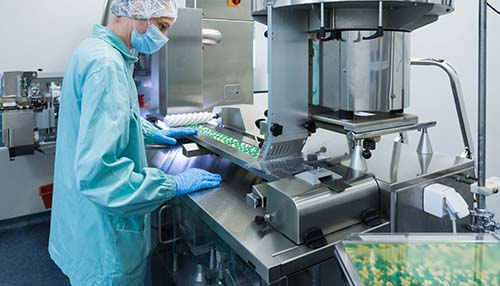
A weak manufacturing partner can damage your brand faster than any competitor. One failed batch, one late shipment or one label error can cost you a doctor’s trust and a distributor’s loyalty. That is why choosing the right pharmaceutical manufacturing company matters more than comparing price lists. The decision affects quality, compliance, supply and reputation for years.

This guide explains what separates a dependable manufacturer from a risky one. It covers licences, GMP manufacturing, quality assurance, formulation strength, supply and communication. It is written for marketers, startups, distributors and established healthcare businesses that plan to source medicines in India.
Why the Choice of Manufacturer Matters
Medicines are not ordinary products. A defect can affect a patient’s health, and a regulatory lapse can stop your sales. The manufacturer you select carries part of that responsibility, and you carry the rest through your brand name.
A reliable partner gives you three things:
- Consistent quality in every batch, not just the first one.
- Regulatory confidence, so your products and paperwork stand up to inspection.
- Predictable supply, so your chemists and doctors never face stock-outs.
Everything else in this guide supports one of those three outcomes.
What Makes a Good Pharmaceutical Manufacturing Company in India?
Here is the short answer. A good pharmaceutical manufacturing company in India has:
- Valid manufacturing licences for the products it makes
- A facility that follows current GMP standards
- A documented quality assurance and quality control system
- Skilled formulation and R&D capability
- Reliable raw material sourcing and supply chain control
- Transparent pricing, contracts and communication
- A record of steady delivery and long-term partners
Each factor is explained below, along with what to ask and what to check.
Factor 1: Licences and Regulatory Standing
Start with the legal basics. In India, manufacturers need licences from the state licensing authority under the Drugs and Cosmetics Act and Rules. Oversight also involves the central regulator, CDSCO, for certain product categories and approvals.
Ask the company for:
- A valid manufacturing licence that lists the dosage forms and categories it covers
- Product permissions for the formulations you plan to buy
- Any additional approvals it claims, such as export-related registrations
- Evidence of recent inspections and how findings were closed
Then verify. Check licence numbers and validity with the issuing authority when you can. A confident manufacturer shares documents without delay.
If a company hesitates, avoids questions or offers only photographs of certificates, treat that as a warning.
Factor 2: GMP Manufacturing and Pharmaceutical Manufacturing Standards
Good Manufacturing Practice, or GMP, is the foundation of pharmaceutical manufacturing standards. It covers how a facility is designed, how people work, how equipment is cleaned and how records are kept. In India, GMP requirements sit in Schedule M of the Drugs and Cosmetics Rules, which has been revised to align more closely with international norms. Requirements and deadlines can change, so confirm the current position with the regulator or a regulatory advisor.
Some manufacturers also hold additional certifications, such as WHO-GMP certification, which many buyers and export markets look for. A certificate alone does not prove quality, but it signals that an external body has reviewed the systems.
When you assess GMP manufacturing, look at these areas:
- Facility layout: Separate zones for raw materials, production, packing and storage reduce mix-ups and contamination.
- Cleanliness and controls: Clean rooms, air handling, pest control and waste handling should be visible and organized.
- Equipment: Machines should be calibrated, maintained and cleaned on schedule, with logs to prove it.
- People: Staff should be trained, wear proper gowning and follow written procedures.
- Documentation: Every step should leave a record that someone can trace.
Factor 3: Quality Assurance and Quality Control
People often use these terms as if they mean the same thing. They do not.
- Quality control (QC) tests materials and products. It answers the question, “Does this batch meet specification?”
- Quality assurance (QA) manages the whole system. It answers the question, “Are we making products the right way every time?”
A reliable manufacturer needs both. Look for:
- Raw material testing before any ingredient enters production
- In-process checks during manufacturing
- Finished product testing for assay, dissolution, uniformity and other relevant parameters
- Stability studies that show how the product behaves through its shelf life
- A batch release procedure where QA reviews records before approving dispatch
- A certificate of analysis for each batch
- Retained samples from each batch for later investigation
- A complaint, deviation and recall process that is written down and tested
Ask the manufacturer to explain how it handles an out-of-specification result. A clear, calm answer shows maturity. A vague one suggests the process is weak.
Factor 4: Pharmaceutical Formulation and R&D Strength
A pharmaceutical formulation company does more than mix ingredients. It designs products that are stable, effective, safe and acceptable to patients. Strong formulation work needs scientists, laboratory equipment and experience with different dosage forms.
Pharmaceutical R&D matters most when you want products that stand out. Ask about:
- The dosage forms the company develops and produces, such as tablets, capsules, syrups, ointments, injectables or powders
- Its experience with specialty formulations, such as modified release, pediatric liquids or combination products
- How it selects excipients and tests compatibility
- Its approach to stability under Indian climate conditions
- Whether it can adjust strength, flavor, color or pack format for customized production
- How it handles scale-up from a lab batch to a commercial batch
Customized production is a useful test. A manufacturer that can explain the steps, timelines and risks of a custom request usually has real technical depth.
Factor 5: Product Range and Fit With Your Market
A broad range can be convenient, but fit matters more than size. A healthcare products manufacturer should cover the therapy areas and dosage forms you actually plan to sell.
Review the portfolio and ask:
- Does the range match my target doctors and chemists?
- Are the formulations current and clinically sensible?
- Do the strengths and combinations make sense for the Indian market?
- Can the company add products as my business grows?
You can review what a manufacturer already offers on its product page before your first conversation. That saves time and helps you ask sharper questions.
Factor 6: Raw Material Sourcing and Supply Chain Control
Good products start with good ingredients. A reliable manufacturer qualifies its suppliers, tests incoming materials and keeps a record of where each lot came from.
A strong supply chain also protects your delivery schedule. Ask how the company manages:
- Supplier qualification and audits
- Stock planning for key ingredients and packing materials
- Backup sources for critical items
- Lead times from order to dispatch
- Packing for safe transport, including products that need special storage
- Delivery tracking and communication when delays occur
Late or uneven supply hurts more than a slightly higher price. Your customers will remember stock-outs long after they forget a discount.
Factor 7: Capacity and Scalability
Capacity decides whether a manufacturer can grow with you. A company that handles your first order well may struggle with your fifth if it lacks batch size flexibility or machine time.
Check these points:
- Batch sizes and minimum order quantities for each product
- Whether the plant has room to take on more volume
- How it prioritizes orders during busy periods
- Whether it can run both small trial batches and larger commercial runs
Ask for realistic numbers in writing. A good partner would rather set honest expectations than promise what it cannot deliver.
Factor 8: Transparency in Pricing, Contracts and Communication
A trustworthy partner is open about money and terms. Before you commit, confirm:
- A clear price breakdown with no hidden charges
- Payment terms and any advance requirements
- Ownership of formulations, artwork and brand assets
- Confidentiality terms that protect your products and plans
- Rules for returns, rejected batches and damaged goods
- Timelines for production, testing and dispatch
Put everything in a written agreement. Verbal promises disappear when problems begin.
Communication also reveals character. Notice how quickly the team replies, how clearly it explains technical points and whether it admits when it does not know something. These habits show how it will behave when a real issue arises.
Factor 9: Track Record, References and Reputation
Past performance is the best predictor of future behavior. Ask for:
- References from current partners, and speak with them directly
- The length of time the company has operated
- Examples of long-term relationships
- How it handled past quality complaints or delays
You can learn more about a company’s background, values and approach on its about us page. Compare what it says with what partners report.
How to Choose a Pharmaceutical Manufacturer: A Practical Checklist
Use this list to compare two or three companies side by side. Give each question a clear yes, no or “needs follow-up.”
- Are the manufacturing licences valid and relevant to my products?
- Does the plant follow current GMP, and can I visit or audit it?
- Is there a documented QA and QC system with batch release?
- Can I receive a certificate of analysis for every batch?
- Does the company have real formulation and R&D capability?
- Can it handle customized production if I need it?
- Does the product range fit my market?
- Is the supply chain stable, with realistic lead times?
- Is there enough capacity for my growth plans?
- Are pricing, terms and ownership clear in writing?
- Do existing partners speak well of the company?
- Does the team communicate openly and promptly?
A company that scores well on most of these deserves a closer look.
Red Flags When Evaluating a Manufacturer
Watch for these warning signs:
- Reluctance to share licences or certificates
- Refusal to allow a plant visit or audit
- Prices far below the market with no explanation
- Vague answers about testing, batch records or stability
- No written agreement
- Pressure to place a large first order quickly
- Frequent changes in timelines with no clear reason
- Poor or inconsistent communication
One red flag may have an innocent reason. Several together should end the discussion.
A Simple Way to Start: Audit, Sample, Pilot
You do not need to commit fully on day one. A staged approach lowers risk.
- Audit: Visit the plant, or request a virtual tour and documents. Review licences, quality systems and records.
- Sample: Ask for product samples and, where useful, a certificate of analysis. Check labels and packing.
- Pilot order: Place a modest first order. Judge quality, timelines and communication.
- Review: Compare the results with the promises. Decide whether to expand.
This process lets the facts guide your decision rather than a sales pitch.
Final Thoughts on Choosing a Pharmaceutical Manufacturing Company
A reliable pharmaceutical manufacturing company earns trust through proof, not promises. Check the licences. Study the GMP practices. Understand how quality assurance and quality control work. Test the formulation strength, the supply chain and the quality of communication. Then confirm everything with samples, references and a small pilot order.
Take your time with the decision. The right partner protects your patients, your brand and your growth for years.
Ready to talk about products, specifications or a manufacturing plan? Reach the team through contact us.
A good company holds valid licences, follows current GMP, runs a documented quality assurance system and has real formulation capability. It also supplies on time, prices openly and communicates clearly. References from current partners add confidence.
Verify licences, audit the facility, review quality systems and test samples. Compare product range, capacity, pricing and references across two or three companies. Start with a small pilot order before you scale.
GMP stands for Good Manufacturing Practice. It is a set of rules for how medicines are made, tested and documented so that every batch is consistent and safe. In India, these requirements are set out in Schedule M of the Drugs and Cosmetics Rules.
Quality control tests materials and products to check they meet specifications. Quality assurance oversees the entire system, including procedures, training, documentation and batch release. A reliable manufacturer needs both.
WHO-GMP certification is a positive sign and matters for many export markets and institutional buyers. It does not replace your own checks. Still verify licences, audit the plant and test product quality.